When the Vessel Told a Different Story
During an onboard visit for a potential conversion project, something did not add up.
The vessel, the available drawings and the project documentation were telling different stories.
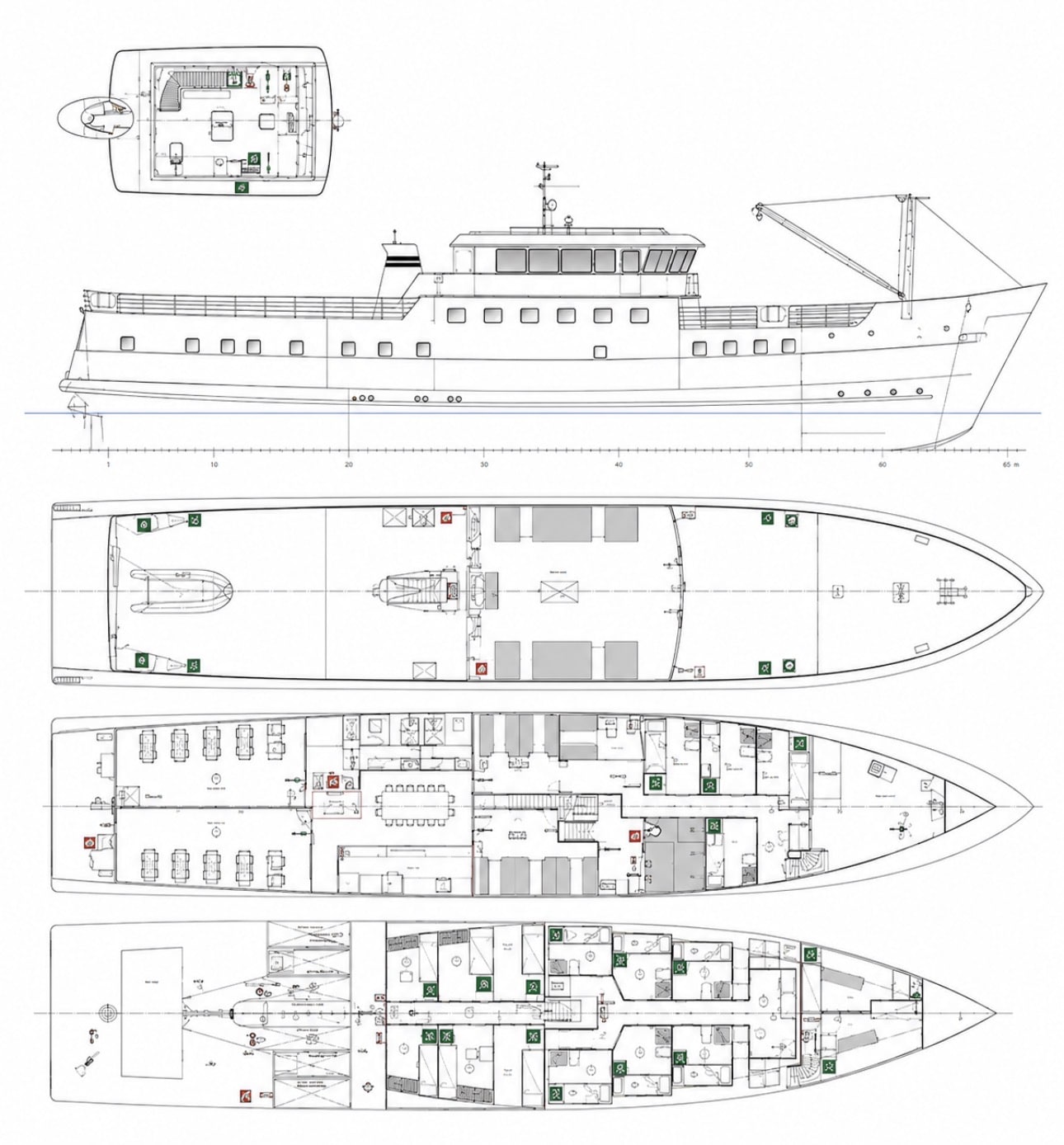
Different drawing revisions showed different wheelhouse dimensions. Project records documented modifications after construction, while conversations with former crew members provided valuable operational context. Individually, none of those findings appeared particularly significant. Together, however, they revealed a very different picture.
Only by comparing the documentation, the operational knowledge and the vessel itself did the full story begin to emerge.
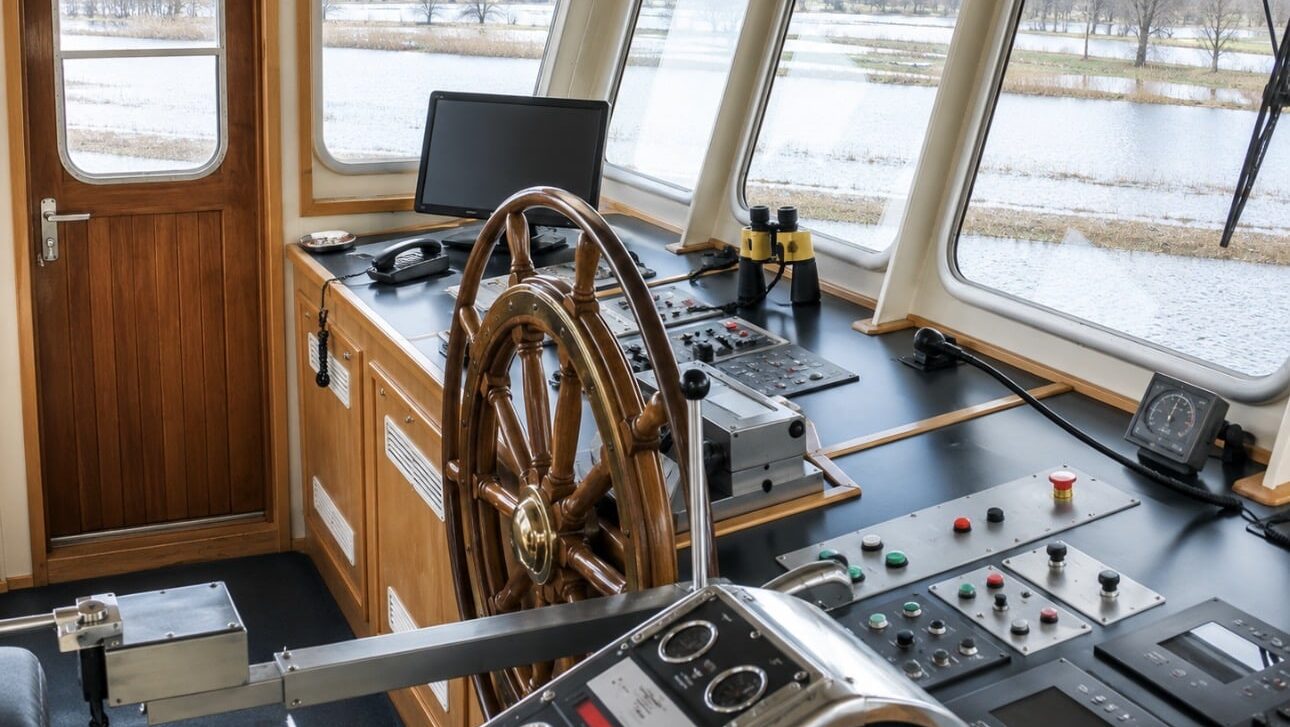
Nearly a decade earlier, during the final stages of construction, it became apparent that the completed wheelhouse was too high to pass beneath the bridges on the vessel’s intended operating route. The completed wheelhouse had to be reconstructed at a six figure cost.
What the Evidence Revealed
Unfortunately, I was never able to speak with the original project management team, so I cannot determine exactly where the process broke down.
The former crew, however, had a clear understanding of how the issue had developed. According to those conversations, the vessel’s intended operating profile and the bridge clearance restrictions were already well understood internally before construction was completed.
Whether those operational requirements never reached the design process, whether the final design was never verified against those requirements, or whether decisions changed during the project, I cannot establish with certainty.
From my perspective, however, identifying the exact point where the process failed is less important than understanding the outcome.
The operational requirements, the design and the completed construction were never properly verified against one another. Somewhere between operational reality, engineering and construction, the connection was lost. The vessel was built exactly as designed, but the completed design no longer fulfilled the operational requirements it was intended to meet.
Verification Is Not a Single Event
In my experience, this is rarely an isolated case.
Projects continuously generate new information. Operational experience, revised drawings, engineering decisions, owner requests and construction modifications all influence the final outcome. Unless those elements are continuously compared and verified, assumptions gradually replace facts.
Verification is therefore not a single design review carried out at the beginning of a project. It is a continuous process throughout engineering and construction. Every significant design revision should be checked against the operational profile the vessel is expected to fulfil. That applies equally to conversions, refits and new build projects.
Good verification is not simply confirming that a drawing is technically correct. It is confirming that the design continues to support the owner’s operational objectives as the project evolves.
Final Thoughts
The six figure reconstruction was not the result of poor engineering. It was the result of information that already existed but was never successfully brought together before construction was completed.
Good project governance is not about producing more drawings, more reports or more meetings. It is about continuously verifying that operational requirements, engineering decisions and construction remain aligned throughout the project. Every significant design decision should be tested against the vessel’s intended operation before it becomes part of the build.
The lesson extends well beyond this single vessel. Whether the project is a conversion, a refit or a new build, the principle remains the same. Decisions should never be validated in isolation. They should be verified against the operational profile the vessel is expected to fulfil.
Because once the ship is built, verification becomes reconstruction.