
Introduction
Looking back, the warning signs often appear obvious. Decisions that seemed entirely rational at the time suddenly become difficult to explain, leaving owners, investors and project teams wondering how a promising project could have drifted so far from its original objectives.
One of the most powerful explanations is the sunk cost fallacy. It is the tendency to continue investing because significant resources have already been committed, even when new evidence suggests the original assumptions should be challenged. Those resources are rarely limited to money. They also include time, reputation, relationships and years of personal commitment.
The sunk cost fallacy is not a sign of poor judgement or inexperience. On the contrary, it often affects highly capable entrepreneurs, experienced investors and successful executives. The more commitment a project demands, the more difficult it becomes to separate objective evidence from previous decisions.
Several years ago, I was appointed by an investor to independently assess a programme involving multiple former patrol vessels being converted into a niche pleasure yacht concept. What initially appeared to be a promising investment gradually became one of the clearest examples I have encountered of the sunk cost fallacy in project governance.
This article is not about a failed vessel conversion. It is about how intelligent people can gradually become trapped by their own decisions, and why independent project governance becomes increasingly valuable as investment, complexity and commitment continue to grow.
A Promising Concept
At first glance, there was little reason to doubt the concept.
The vessels themselves were an excellent starting point. They had been professionally designed for demanding operational service, possessed proven seakeeping characteristics and could be acquired for a fraction of the cost of building a comparable platform from new. The vision was to transform these former patrol vessels into rugged explorer yachts for owners who valued capability, character and seaworthiness over conventional luxury.
From both a technical and commercial perspective, the concept appeared credible. Proven hulls, a distinctive market position and a clear ambition formed the basis of what looked like a promising investment opportunity.
By the time I arrived, however, the programme had moved well beyond the conceptual stage.
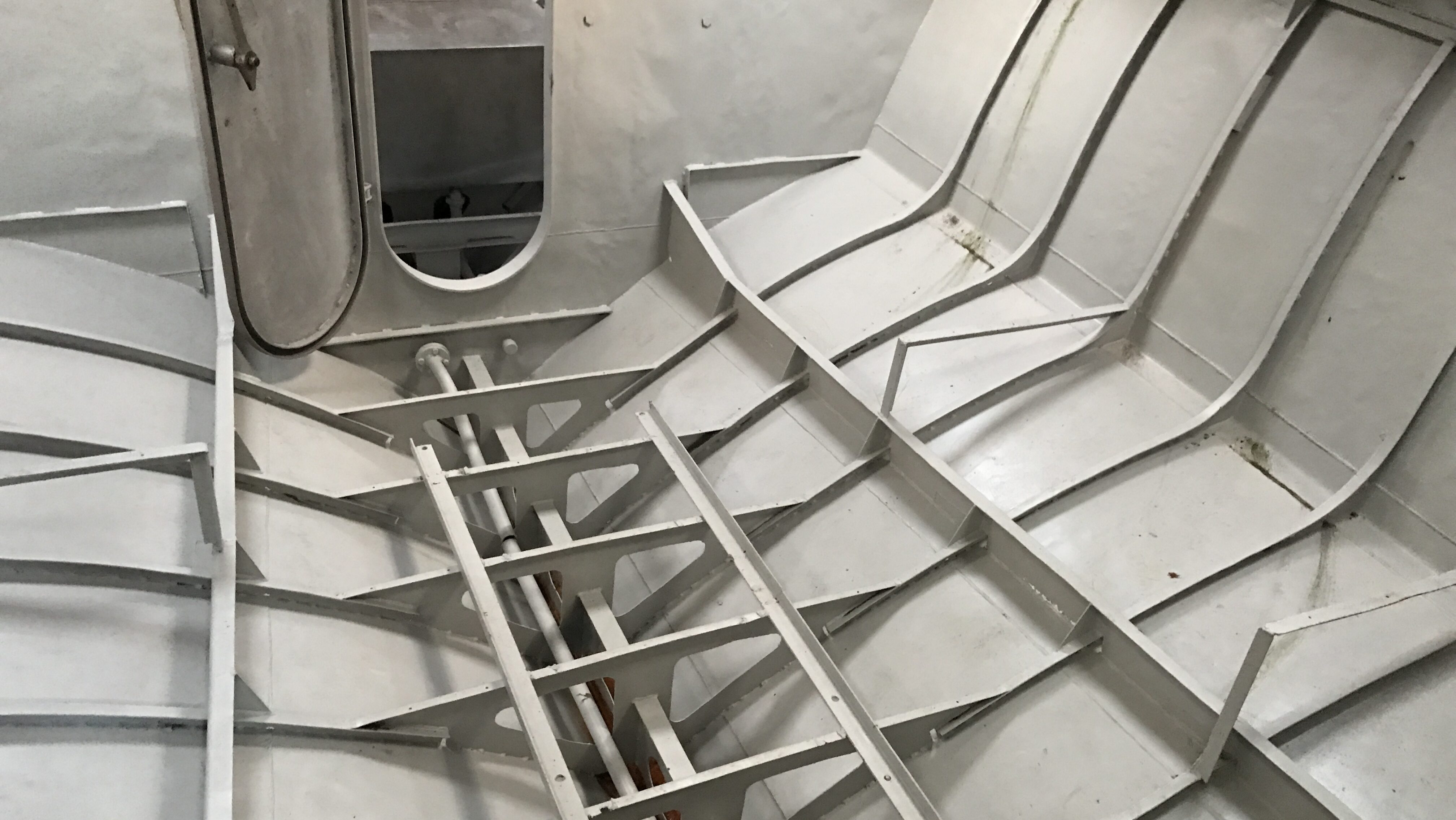
Walking through the vessels, it was immediately clear that significant progress had been made. New superstructures had been fabricated, accommodation spaces were taking shape and major engineering work had already been carried out. Considerable capital had been invested and the programme showed every sign of moving forward.
Looking more closely, however, revealed a different picture.
The technical condition of the vessels, the commercial assumptions, the financial position and the overall direction of the programme no longer pointed towards the same conclusion. None of those observations alone suggested the project should stop. Together, however, they raised a much more fundamental question: if the programme were starting today, knowing everything that was now known, would the same decisions still be made?
That question remained with me throughout the assessment.
Scaling Before Validation
One decision had fundamentally changed the programme’s risk profile long before the first vessel was completed.
Rather than developing a single prototype and allowing the market and the engineering process to validate the concept, the programme committed to multiple vessels from the outset. From a commercial perspective, the reasoning was understandable. Identical hulls became available at the same time, acquisition costs could be reduced and future construction could be standardised across the fleet.
Operationally, the decision also appeared logical.
From a governance perspective, however, it removed one of the most valuable stages in any development programme: validation before scaling.
A prototype is far more than a technical exercise. It tests whether owners are prepared to buy the product at the intended price, exposes engineering assumptions that drawings alone cannot reveal and identifies operational challenges before they are multiplied across an entire programme. Every successful prototype answers questions that nobody knew needed asking.
Those questions had not yet been answered.
Instead, capital had already been committed across multiple vessels before either the engineering assumptions or the commercial viability had been fully validated. From that point onwards, every additional investment made changing direction more difficult. The programme was no longer learning before investing. It was investing while hoping the learning would confirm the decisions that had already been made.
The Ghost Fleet
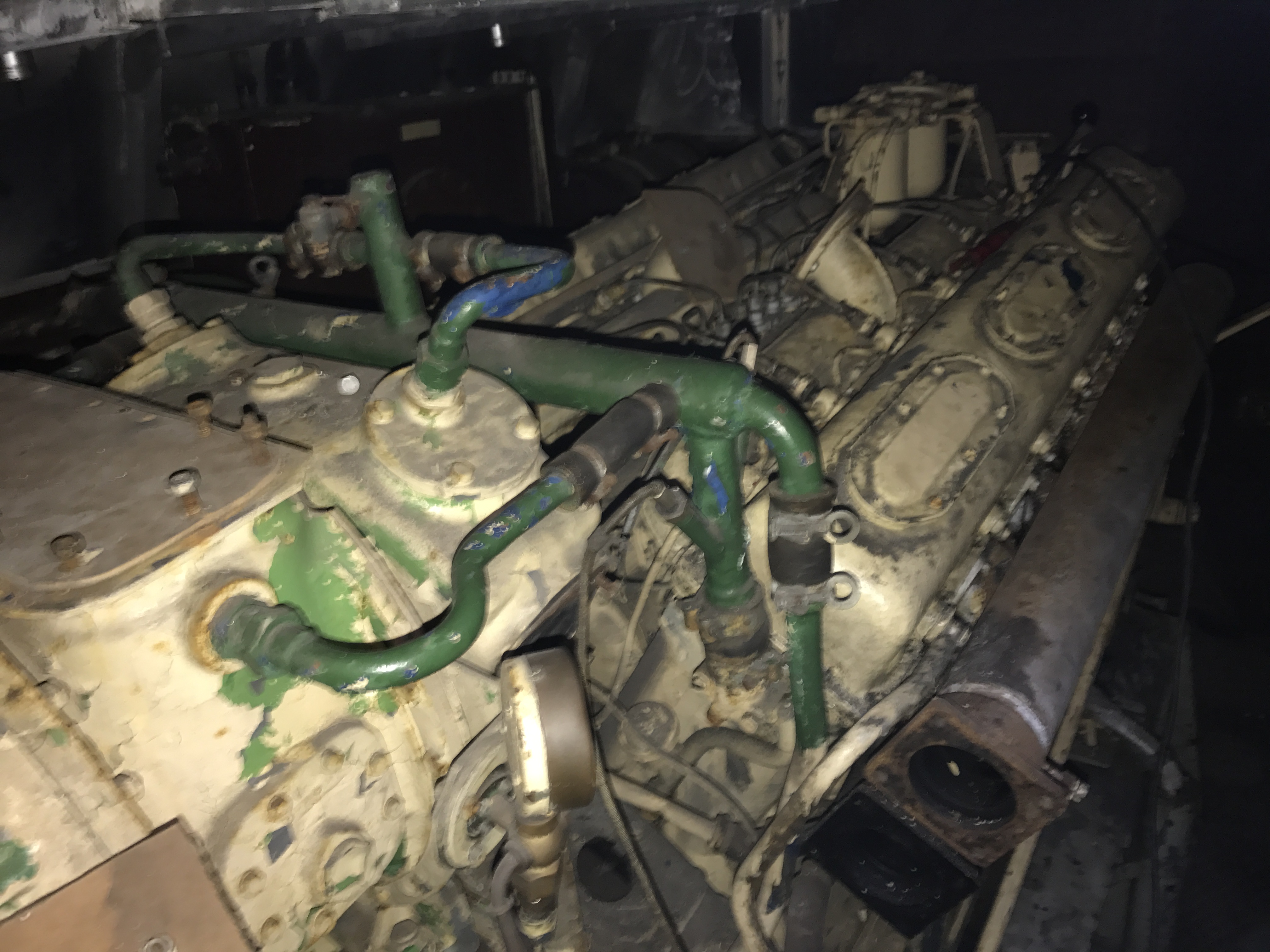
By the time I completed my assessment, I found myself referring to the programme as “The Ghost Fleet.”
Not because the vessels lacked potential. Quite the opposite.
Each individual vessel represented years of engineering, construction and investment. Together, however, they had become a fleet waiting for a commercial future that had yet to materialise.
The original vision remained visible throughout the programme. So did the commitment of those involved. What had gradually disappeared was the ability to objectively challenge whether the original assumptions still justified the investment required to complete the programme.
That distinction is important.
Projects rarely fail because people stop believing in them.
More often, they fail because nobody is prepared to ask whether the project still deserves to succeed.
The Sunk Cost Trap
Looking back, what I was witnessing had a name.
The sunk cost fallacy.
The sunk cost fallacy is the tendency to continue investing because significant resources have already been committed, even when new evidence suggests that the original assumptions should be reconsidered. Those resources are not limited to money. They also include time, reputation, relationships and years of personal commitment.
That is precisely what makes this cognitive bias so powerful.
Nobody deliberately ignores evidence. Every decision usually appears reasonable when viewed in isolation. Another investment may solve the remaining technical challenges. Another modification may improve the product. Another vessel may finally unlock the market that everyone originally believed existed.
Individually, those decisions can all be justified.
Collectively, they gradually remove a programme’s ability to change direction.
Looking back at this programme, I do not believe the primary problem was engineering capability or a lack of commitment. If anything, there was an abundance of both.
The challenge was that every additional investment increased the pressure to justify the investments that had already been made. Gradually, the programme stopped validating assumptions and started defending them.
One question cuts through that bias.
Knowing everything we know today, would we still make the same decision?
If the answer is no, previous investment should never determine the next decision.
When Experience Becomes a Liability
One of the greatest misconceptions in project governance is that experience protects against poor decision making.
In reality, experience can sometimes increase vulnerability.
Experienced entrepreneurs, investors and project leaders develop instincts through years of making successful decisions. Those instincts are enormously valuable, but they can also create confidence in assumptions that are no longer being objectively tested.
As projects become more complex, those involved become increasingly invested, not only financially but also emotionally and professionally. Decisions that were once hypotheses gradually become accepted as facts, while previous decisions become progressively more difficult to challenge.
This is particularly true in small leadership teams or programmes driven by a single decision maker. Without independent challenge, there is no natural mechanism to separate objective evidence from personal commitment.
Independent governance does not exist because owners or investors lack experience.
It exists because experience, no matter how extensive, benefits from independent verification before commitment quietly becomes conviction.
Final Thoughts
Looking back, stopping the programme would probably have been one of the most difficult decisions anyone involved could have made.
Continuing, however, proved to be the more expensive one.
This was never a story about poor engineering or incapable people. It was a story about intelligent professionals making individually rational decisions that gradually became collectively impossible to reverse.
The sunk cost fallacy is one of the most powerful forces in project governance precisely because it is so difficult to recognise while it is happening.
That is why independent governance matters.
Its purpose is not to make decisions for owners or investors. It is to improve the quality of the decisions they make by continuously testing assumptions against evidence before commitment becomes too great to question.
Every failed project looks obvious in hindsight. Good project governance exists to recognise the warning signs while changing course is still an option.