
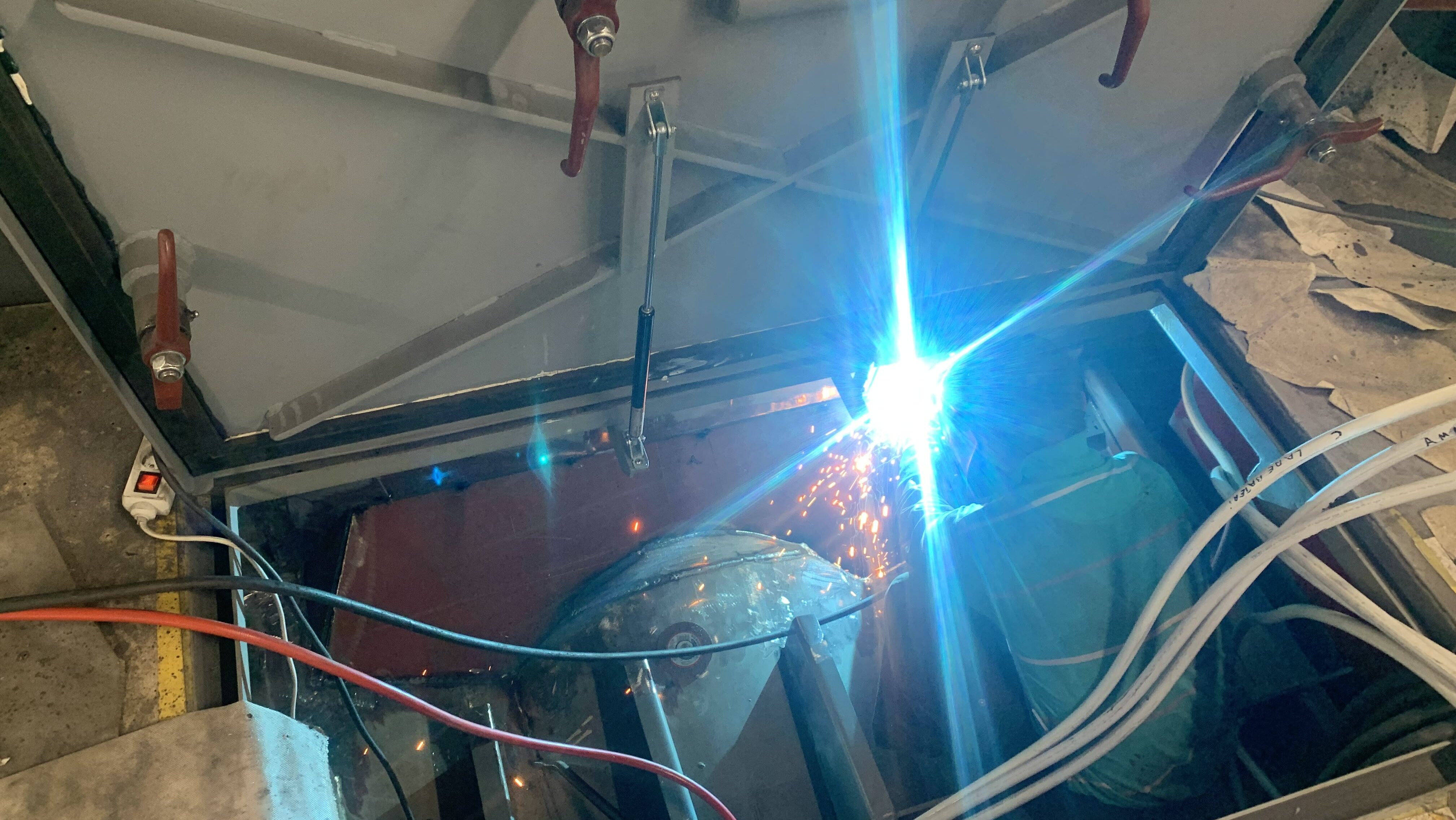
Risk Changes the Moment the Vessel Enters the Yard for Refit
Owners preparing for a refit naturally focus on engineering, budgets, schedules and shipyard selection. Yacht refit insurance, however, often receives far less attention.
A refit does not simply change the vessel. It changes the allocation of risk. Once the vessel enters the yard, responsibilities shift between owner, shipyard, subcontractors and suppliers. Hot work, heavy lifting, structural modifications and multiple contractors introduce new exposures, while contractual responsibility becomes considerably more complex.
The same applies to the vessel’s assets. Tenders, jet skis, artwork, navigation equipment, owner-supplied equipment and critical spare parts are frequently removed and stored at different locations throughout the project. Every transfer potentially changes custody, responsibility and insurance coverage. Owners should establish in advance who is responsible, where assets will be stored, what security measures are in place and under which policy they remain insured.
Insurance is therefore not simply about purchasing a policy. It is about ensuring that the contractual allocation of risk and the insurance programme remain aligned before work begins.
Yacht Insurance Should Follow the Project
Too often, insurance is treated as something arranged after the project has been defined. In reality, the project should determine the insurance structure. Existing Hull & Machinery (H&M) and P&I cover may remain appropriate, but depending on the scope of work, insurers may recommend temporary policy extensions, dedicated refit cover or other project-specific solutions. Just as important is understanding precisely what protection the shipyard provides and, equally important, what it does not.
Owners should involve both their insurance broker and insurer during the tender phase. Waiting until contracts have been signed or the vessel has already entered the yard significantly limits the available options. Assumptions are not a risk management strategy. Verification is.
The insurance policy itself is only part of the overall risk structure. The contractual framework deserves the same attention. Liability caps, contractual indemnities, waivers of subrogation, Additional Insured endorsements, Primary & Non-Contributory clauses, subcontractor insurance arrangements, temporary storage of owner-supplied equipment and the transfer of custody all influence how risk is allocated long before a claim is made.
The Challenge of Multiple Contractors
This becomes even more important on larger refits involving numerous specialist subcontractors. Different insurers, policy limits and exclusions can make liability considerably more difficult to establish than repairing the physical damage itself. Understanding how these arrangements interact before work starts is far easier than resolving them afterwards.
One option many owners are unfamiliar with is an Owner Controlled Insurance Programme (OCIP/OCRP), or a comparable owner-controlled insurance structure. It is not appropriate for every project, but for larger refits and conversions it may provide greater consistency and visibility by coordinating insurance across the project rather than relying on a combination of the owner’s policy, shipyard liability cover and multiple subcontractor policies. Although this generally increases the upfront premium, part of that cost may be offset during commercial negotiations where insurance responsibilities are reallocated. Whether it offers an overall advantage depends entirely on the project.

Governance Before the First Claim
Every refit has an engineering strategy and a contractual strategy. It should also have an insurance strategy. That discussion should begin during the tender phase, when competing proposals are evaluated not only on technical capability and commercial terms, but also on how contractual risk is allocated and whether the insurance structure properly protects the owner’s interests.
Whether the outcome is a temporary policy extension, dedicated project cover or an owner-controlled insurance programme is ultimately secondary. What matters is that the insurance structure reflects the contractual allocation of risk before work begins. Once a claim is submitted, the opportunity to redesign the insurance programme has already passed.
Final Thoughts
Every refit has an engineering strategy.
Every refit has an engineering strategy and a contractual strategy. It should also have an insurance strategy. That discussion should begin during the tender phase, when competing proposals are evaluated not only on technical capability and commercial terms, but also on how contractual risk is allocated and whether the insurance structure properly protects the owner’s interests.
Whether the outcome is a temporary policy extension, dedicated project cover or an Owner Controlled Insurance Programme is ultimately secondary. What matters is that the insurance structure reflects the contractual allocation of risk before work begins. Once a claim is submitted, the opportunity to redesign the insurance programme has already passed.