
Every Contract Model Needs a Baseline
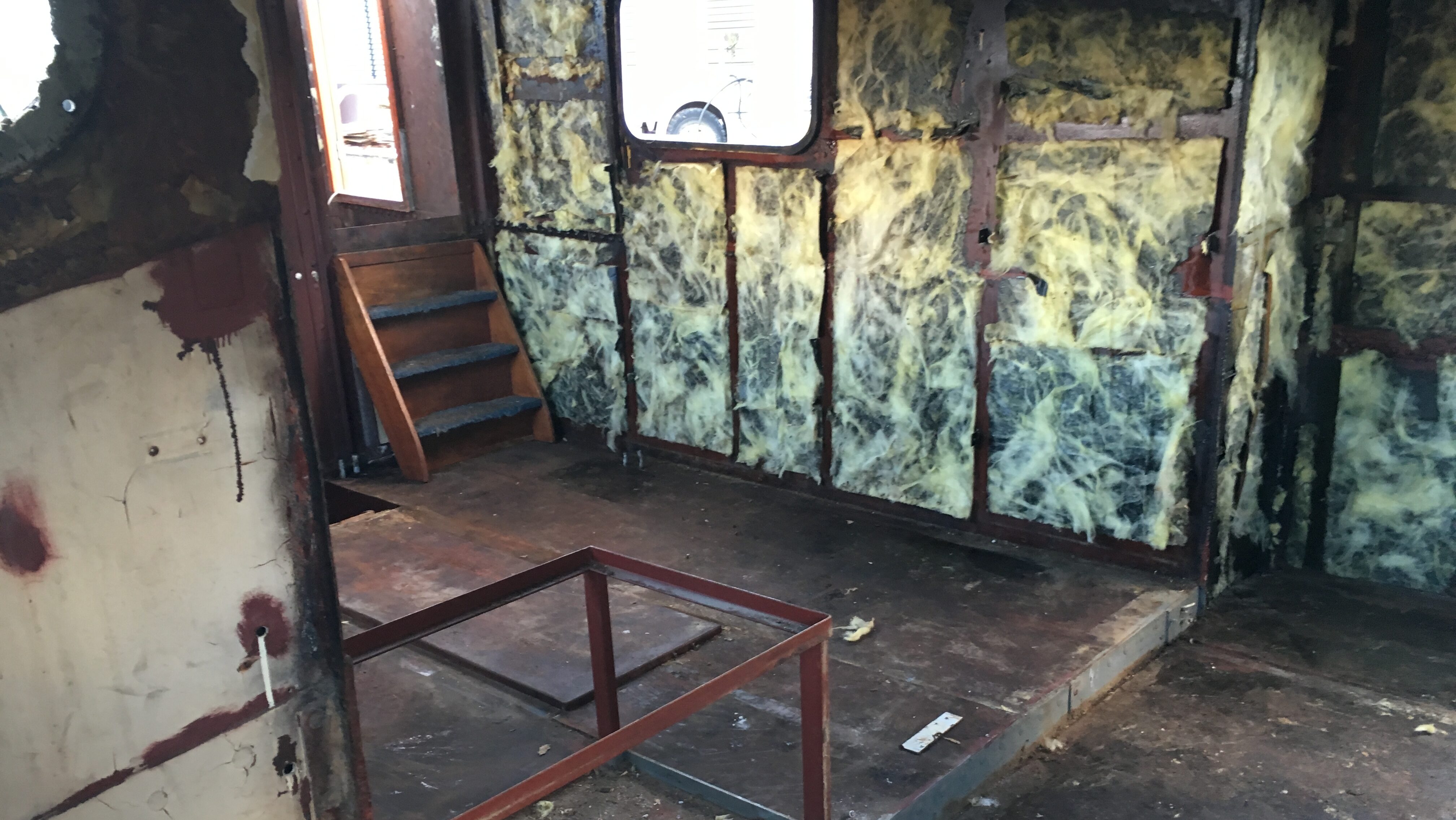
During my years as a shipyard owner, a client approached me after purchasing a fishing vessel. The ambition was clear. Convert the vessel into a yacht capable of long-distance cruising and living on board.
He had already bought the vessel. He had a vision of what the end result should become, but no experience in managing a conversion. Together we translated that vision into a proposal and a quotation. The quotation reflected what was needed to deliver the vessel as envisioned, or perhaps more accurately, how we interpreted his vision.
The price came back higher than expected. Not because the quotation was unrealistic, but because the vision had been translated into a realistic Scope of Work.
The owner decided to take a different route. The project would be executed on an open-book basis. Labour would be charged by the hour and materials separately. The expectation was simple. This would reduce the overall cost while providing more flexibility during the project.
The flexibility was there. Reducing the overall cost wasn’t. The problem wasn’t the open-book approach. The problem was that there was no completed Scope of Work.
The project became an ongoing process. New ideas emerged during construction. Existing ideas changed. Decisions were made along the way. None of those decisions were necessarily wrong, but there was no baseline against which they could be measured. A scope freeze was impossible.
In the end, the original quotation was exceeded substantially. The owner was very pleased with the finished vessel. But at what total cost?
A Scope of Work Defines the Project
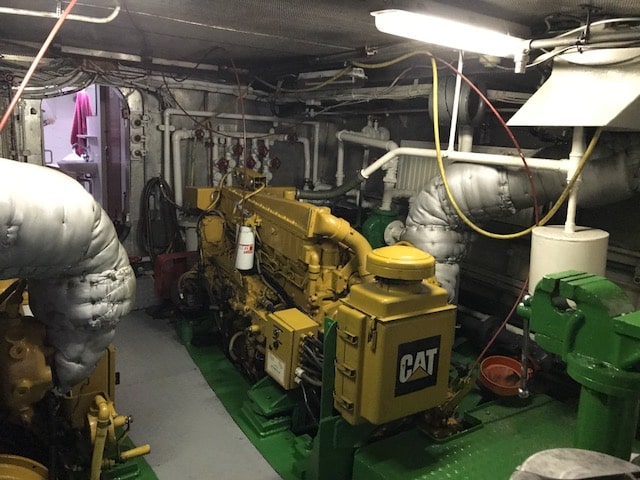
A proper Scope of Work is much more than a specification. It should include drawings, engineering, technical specifications, material schedules, finishing standards, equipment lists and, where applicable, verified class requirements and regulatory compliance. It should describe not only what will be built, but also the expected standard of the finished product.
As a shipyard, you can only build based on the information you receive. But your translation remains your interpretation of the owner’s vision. An interpretation remains an interpretation. Without a properly developed Scope of Work, the owner’s vision can never be translated consistently. That affects everything: budget, planning, class compliance and ultimately the finished vessel itself.
Change Needs a Reference Point
A Scope of Work doesn’t prevent change. Change is inevitable. But it provides the reference against which every change can be assessed. Whether a project is executed on a fixed-price, open-book or target-cost basis doesn’t change one fundamental requirement. Every contract model needs a baseline.
Without that baseline, the technical, operational and financial consequences of every decision become increasingly difficult to assess. Every decision becomes a new starting point, without fully understanding what it means for the remainder of the project.